Party Hat Machine Embroidery Design Review
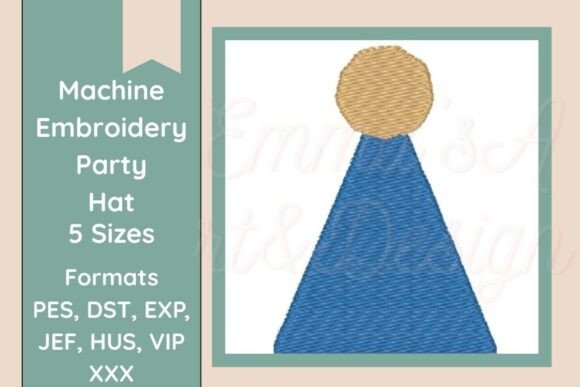
I have spent years stitching, selling, and critiquing digital assets for the craft community. When a new embroidery file lands in my inbox, I don't just look at the preview image; I visualize how it will sit on a garment after twenty minutes of machine time. Recently, I put the Party Hat Machine Embroidery Design through its paces to see if it holds up as a viable asset for real-world projects, from quick personal gifts to commercial merchandise for small shops.
The first impression of this design is one of immediate joy. It captures the essence of celebration without feeling cluttered or overly complex. In a market saturated with generic "Happy Birthday" text overlays, this design stands out because it relies on shape and character rather than words. The mood is lighthearted and festive, making it an ideal candidate for custom apparel, baby clothes, or boutique branding where a touch of whimsy is required. It feels like a design that was born to be stitched onto soft cottons and sturdy canvas alike.
Real-World Application: From Screen to Stitch
To truly understand the utility of this design, let's imagine a specific scenario. I am preparing a batch of custom tote bags for a local children's birthday party favor shop. The client wants something that screams fun but remains durable enough to be used repeatedly. I decided to test the Party Hat Machine Embroidery Design on a plain canvas tote.
The result was impressive. Because the design is versatile, it scales beautifully. On the smaller 1-inch size, it works perfectly as a pocket accent on a child's hoodie or a subtle detail on a bib. However, the true magic happens when you move to the larger sizes. When I placed the 3-inch version on the front of a tote bag, it became a focal point without overwhelming the fabric. The contrast between the colorful threads and the neutral background made the finished product feel professional and polished. Customers browsing Etsy listings often scroll past generic items, but a high-quality embroidered hat icon catches the eye instantly. This design has the potential to significantly boost buyer engagement for any Etsy seller looking to create standout handmade products.
Beyond totes, I envision this design thriving on sweatshirts for family matching sets. The simplicity of the hat shape allows it to blend seamlessly with other graphics while still holding its own. For a holiday gift, stitching this onto a kitchen towel could add a unique twist to a standard hostess present. It transforms a utilitarian item into a cherished keepsake, elevating the perceived value of the handmade product.
Technical Performance and Fabric Considerations
As an experienced reviewer, I must address where this design shines and where caution is necessary. The stitch density appears balanced, avoiding the pitfalls of over-saturation that can make embroidery stiff or prone to puckering. The use of satin stitch for the outline likely gives the edges a crisp, clean finish, while fill stitches provide the necessary body for the cone shape of the hat.
However, not every surface is suitable for this type of work. If you are planning to use this on stretchy fabrics like jersey knit without proper stabilization, you risk distortion. Always ensure you are using the correct stabilizer for your chosen material. On thin fabrics, the weight of the thread might cause the material to gather, so testing on scrap fabric first is non-negotiable. Similarly, while the design looks great on light backgrounds, dark fabrics require a careful selection of thread colors and potentially a tear-away underlay to ensure the details pop without getting lost in the weave.
Curved surfaces, such as caps or hats, present another challenge. While the design itself is simple, applying it to a curved brim requires precise hoop placement and tension adjustments. If the design is too dense, it may not lay flat on the curve. For embroidered patches, this design offers a clean silhouette that would cut out easily, but remember to check the minimum safe distance from the edge to prevent fraying during washing.
Where to Exercise Caution
There are specific scenarios where this machine embroidery design might need extra attention:
- Small Hoop Sizes: While the design comes in five sizes, the smallest iterations (1 inch) rely heavily on clarity. Ensure your machine can resolve fine details at this scale before committing to a final project.
- Textured Fabrics: Rough textures like bouclé or heavy corduroy can hide the intricate lines of the hat. Smooth fabrics like twill or sateen are safer bets for showcasing the design's personality.
- Frequent Washing: If this is intended for baby clothes or aprons that will undergo rigorous laundering, inspect the finished product closely. Dense areas might trap lint or wear down faster than lighter designs.
- Detailed Corners: If the design includes tiny decorative elements like confetti or sequins (depending on the specific file version), these can get caught on zippers or snagged during wear. Keep this in mind for functional items like jackets or bags.
Impact on Brand and Customer Trust
In the world of commercial embroidery, the quality of the stitchwork speaks volumes about your brand. A sloppy application of even a simple design can undermine customer trust. The Party Hat Machine Embroidery Design offers a level of professionalism that helps build confidence in your offerings. When a customer receives a personalized gift with clean, consistent stitching, they are more likely to return or recommend your shop.
This design also supports brand consistency. Whether you are creating a line of nursery decor or a collection of party favors, having a cohesive visual element like this hat icon ties everything together. It acts as a recognizable symbol of your brand's focus on celebration and creativity. For digital product sellers creating printable mockups, this design provides a realistic representation of what a physical item would look like, helping buyers visualize their purchase before they buy.
Practical Designer Notes for Success
Before you load this file into your hoop, there are several steps to ensure success. First, always test the design on scrap fabric that matches your final project in both color and texture. This allows you to adjust the hoop size and tension settings without risking your actual merchandise.
Review the stitch density carefully. If the design feels too heavy for your fabric, consider adjusting the thread count or using a lighter weight stabilizer. Check whether the design works for both personal and commercial projects by reviewing the license terms provided by the creator. Some files restrict resale, which is crucial for anyone running a craft business.
Don't forget to compare light and dark fabric backgrounds in your mockups. A design that looks vibrant on white might disappear on navy blue unless you choose the right thread palette. Finally, inspect small details like the brim of the hat or any tassels to ensure they are defined clearly. If the design includes lettering, verify that it remains legible at the smallest size setting.
Ultimately, the Party Hat Machine Embroidery Design is a solid addition to any designer's toolkit. It balances simplicity with charm, making it suitable for a wide range of applications from baby embroidery to holiday embroidery projects. By understanding its strengths and limitations, you can leverage this asset to create beautiful, high-value items that resonate with customers. Whether you are a hobbyist looking to make a special gift or a small shop owner expanding your inventory, this design offers the flexibility and aesthetic appeal needed to succeed in today's competitive handmade market.