High Heel Shoe Machine Embroidery Design Review
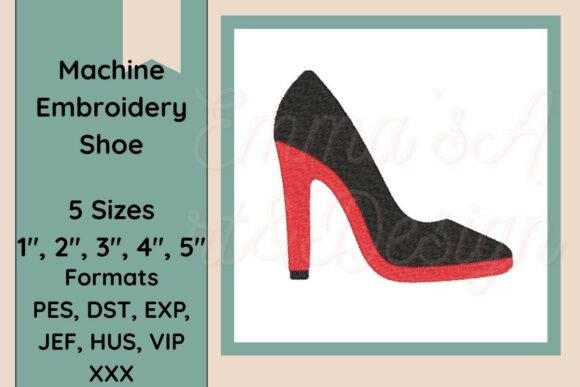
I have spent years designing and digitizing for the handmade market, so when I first looked at the High Heel Shoe Machine Embroidery Design, my mind immediately went to the weekend craft fair booth. As a professional designer, I do not just look at how a file looks on a screen; I evaluate how it translates into a tangible product that customers will touch, buy, and cherish. This design promises "instant elegance" with a "sleek stiletto-inspired silhouette," which is a strong hook for fashion-forward buyers. But does it hold up under the pressure of production? After simulating its use across various items like aprons, totes, and patches, here is my honest review from the perspective of someone who needs this to sell.
First Impressions: Elegance Meets Market Appeal
The moment you load this embroidery file, the vibe is undeniably chic. The description suggests a sleek stiletto shape, which implies a design that is modern rather than rustic or farmhouse. For a craft fair seller, this distinction is vital. In a sea of floral motifs and cute animals, a sharp, elegant high heel stands out as a premium accessory. It feels sophisticated enough for a boutique gift shop but playful enough for a general handmade market. It strikes a balance between being a statement piece and a subtle accent, making it incredibly versatile for different types of buyers.
This design fits perfectly into the Valentine S Day category without feeling cliché. While hearts are everywhere, a high heel represents the glamour and style associated with the holiday. It appeals to the woman who loves fashion and wants to celebrate in style. Whether you are targeting a niche audience of shoe lovers or general fashion enthusiasts, the visual appeal of this machine embroidery design is high. It photographs beautifully, which is crucial for your online listings and social media marketing.
Product Potential: Where Will It Shine?
If I were setting up a table display this Saturday, where would I place this design? My analysis points to several high-performing categories. First, consider the tote bag design. A single, centered high heel on a canvas tote creates an instant fashion statement. It is large enough to be seen from across the aisle but small enough to fit on standard bags. Customers love accessories that elevate their everyday carry, and this design adds a touch of luxury to a utilitarian item.
Next, think about apron embroidery. Kitchens are often filled with farmhouse-style decor, but adding a sleek, modern element can refresh a brand's aesthetic. Placing this design near the pocket or hem of a linen apron offers a unique twist that separates your products from the competition. Similarly, for tea towel embroidery, the clean lines of the stiletto silhouette work well against textured fabrics. It acts as a focal point that draws the eye without overwhelming the kitchen space.
For smaller items, this design excels as an embroidered patch or on fabric pouches. Patches are huge in the DIY community, and a high heel motif allows for creative applications on denim jackets or backpacks. Small pouches, perfect for holding jewelry or makeup, benefit from the compact nature of the design. If you are selling pillow covers, placing two mirrored heels or a single bold heel on a throw pillow can create a stunning centerpiece for a living room. Even on caps, the curvature of the design can follow the brim, creating a dynamic look that catches light and attention.
Production Practicality and Sales Strategy
When evaluating any digital embroidery file for batch production, clarity is king. From my experience, this design appears to have a clear structure that should translate well to mass production. It works effectively as both a small accent on a hat and a larger focal design on a tote. This flexibility is a major selling point for Etsy sellers and small shop owners who want to maximize their inventory without needing multiple unique designs.
In terms of photography for your Etsy listing or printable mockups, the sleek lines of the high heel offer excellent contrast opportunities. You can photograph these items on neutral backgrounds to let the thread colors pop, or style them with complementary accessories to show lifestyle usage. The design feels repeatable, meaning you can easily create variations using different thread colors to match seasonal trends or specific customer requests. This repeatability is essential for maintaining a consistent brand identity while keeping your product line fresh.
Critical Considerations for Production
However, no design is without its challenges. As an experienced designer, I must advise caution regarding stitch density and fabric texture. Dense stitch areas can sometimes cause puckering if the wrong stabilizer is used. If you plan to embroider this on thick fabrics or heavily textured towels, ensure you have a rigid backing to support the weight of the stitches. Tiny details, especially if the design includes any text or fine lines within the heel, may lose clarity if the hoop size is too small or if the fabric is too loose.
Dark fabrics present another hurdle. Light-colored threads may get lost on dark backgrounds, requiring a heavy underlay or a change in thread selection to maintain visibility. Always check the stitch density of the file before committing to a full run. If the design is too dense, it may feel stiff and uncomfortable on soft items like pillow covers. Conversely, if it is too sparse, it might look unfinished on structured items like caps. Testing on scrap fabric is non-negotiable to ensure the final finished product meets your quality standards.
Designer Notes for Success
To ensure your craft fair product stands out, follow these practical steps. First, test the design on a variety of fabric colors to see how the thread interacts with the material. Review the spacing to ensure the design fits comfortably within your chosen hoop size without cutting off important elements. Confirm that you are using the right stabilizer for the specific fabric type; a tear-away might work for a tote, but a cut-away could be necessary for a cap to prevent distortion over time.
Create at least one real mockup before printing digital assets. Nothing sells better than seeing the actual texture of the stitches in person. Compare different fabric textures to find the best match for the "elegant" vibe described in the product title. Finally, always confirm commercial licensing terms before selling finished products. Understanding the rights attached to the design assets protects your business and ensures you are operating ethically.
Ultimately, the High Heel Shoe Machine Embroidery Design has the potential to be a standout item in your collection. Its blend of fashion-forward style and practical application makes it a strong candidate for boosting sales at craft fairs and online shops. By paying attention to production details and leveraging its visual appeal, you can turn this simple file into a profitable line of handmade products that customers will love.