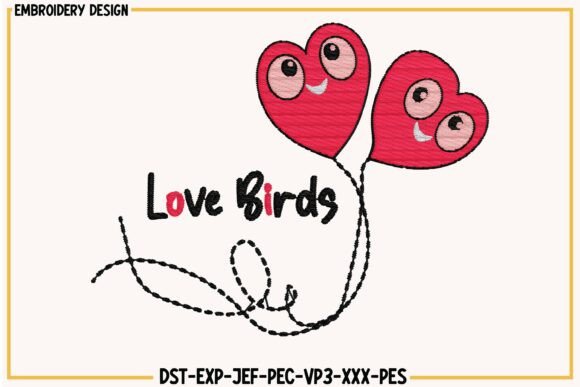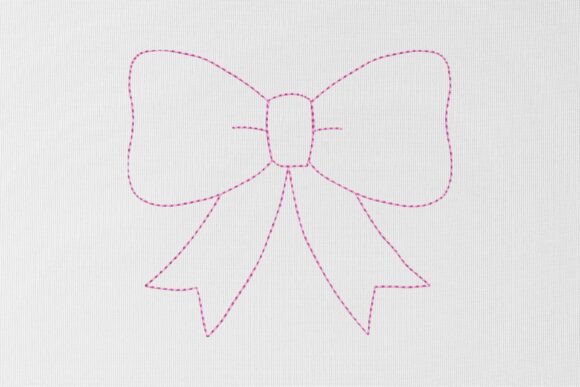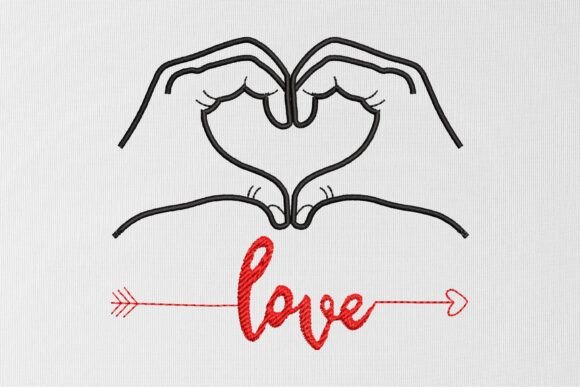
Valentine s Love Hand Embroidery Design Review
Stepping up to a craft fair booth is different from scrolling through an Etsy shop. The real test begins when you stand behind the table, surrounded by hanging tote bags, stacked aprons, and neatly folded tea towels. You are not just selling a digital file; you are selling a tactile experience. As an experienced embroidery designer who has spent countless hours judging designs for marketability, I recently evaluated Valentine s Love Hand Embroidery Design with one goal in mind: would this design turn heads at a weekend market and convert browsers into buyers?
The title and description suggest a cute, romantic aesthetic perfect for the season. But does it hold up under the bright lights of a vendor hall? Does it photograph well for online listings? And most importantly, can it be produced efficiently enough to generate a profit? Here is my professional review of how this design performs as a centerpiece for handmade product lines.
First Impressions and Market Fit
When you first look at Valentine s Love Hand Embroidery Design, the immediate feeling is one of approachable charm. It fits squarely into the "cute" and "romantic" categories that dominate Valentine S Day sales. Unlike some bold, modern geometric patterns that might feel too stark for a holiday focused on affection, this design promises softness and originality. For a boutique maker or an Etsy seller, this is a crucial distinction. Customers walking past a booth looking for gifts want something that feels personal and heartfelt.
The design appears versatile enough to serve as either a small accent or a focal point, depending on the canvas. Whether you are working on a fabric pouch or a large pillow cover, the concept translates well. However, the success of this machine embroidery design relies heavily on execution. If the stitches are too dense, it may look stiff on delicate fabrics. If the details are too tiny, it will disappear on textured materials like heavy-duty canvas or rustic linen. In its current state, it feels ideal for creating handmade product lines that emphasize quality over quantity.
Product Potential: From Totes to Tea Towels
To determine the true value of this embroidery file, we must look at where it shines in a physical display. My analysis suggests that Valentine s Love Hand Embroidery Design has exceptional potential on specific items that drive foot traffic at craft fairs.
Tote Bag Designs: This is arguably the strongest candidate. A tote bag offers a large, flat surface area. Placing this design centrally creates an instant visual hook. It works beautifully as a statement piece on a neutral canvas bag, allowing the thread colors to pop. For an Etsy seller, offering these as custom options or pre-made stock is a low-risk, high-reward strategy.
Apron Embroidery and Tea Towel Embroidery: The kitchen is a hub of activity, and items used daily often become cherished gifts. On a white or cream tea towel, this design adds a touch of farmhouse elegance without overwhelming the space. Similarly, on an apron, it serves as a charming focal point near the chest or pocket area. These items are practical, making them easy sells for customers looking for functional yet decorative gifts.
Embroidered Patches and Caps: If the design includes a clean border, it could be adapted into an embroidered patch. This opens up a new revenue stream for caps, denim jackets, and backpacks. However, curved surfaces like caps require careful planning regarding the hoop size and stabilizer choice to ensure the curves do not distort the image.
Fabric Pouches and Pillow Covers: Small pouches make excellent add-on items at checkout counters. They are affordable impulse buys. A pillow cover allows the design to breathe, turning a simple home decor item into a premium gift. The key here is ensuring the design scales correctly so it doesn't look cramped on a smaller pouch but also doesn't look lost on a larger pillow.
Visual Appeal and Booth Display Strength
In a crowded market, your booth needs to scream quality. Valentine s Love Hand Embroidery Design contributes significantly to brand consistency. When you see multiple products featuring the same cohesive theme, it signals professionalism. Customers are more likely to trust a vendor who presents a unified aesthetic.
Photography is another critical factor. This design should photograph well for printable mockups and online listings because of its clear lines and romantic theme. However, you must be mindful of lighting. Shadows can hide stitch density issues, so natural light is essential when capturing images for your commercial embroidery catalog.
Practical Production and Selling Notes
As a designer reviewing this for production, I have several technical notes that will impact your bottom line. Efficiency is king in the handmade business. If a design takes three hours to hoop, stabilize, and stitch, it may not be profitable unless priced accordingly.
Stitch Density and Thread Colors: You need to verify the stitch density before committing to a full run. Dense areas can cause puckering on thin fabrics, while loose areas might look unfinished on thick materials. Ensure your thread colors offer enough contrast against your chosen fabric. A dark design on a black background, for instance, might get lost unless you use metallic or high-gloss threads.
Fabric Texture and Stabilizers: Not all fabrics are created equal. Textured towels or heavy canvas require a robust stabilizer to support the weight of the stitches. Without the right backing, the design may shift or sink into the weave, ruining the crispness of the final product. Always test on scrap fabric first to confirm how the material reacts to the needle and tension.
Small Details and Lettering: Be cautious if the design contains tiny lettering or intricate details. At a craft fair, customers view items from a distance. If the text is too small to read, the message is lost. Similarly, if you plan to sell this as a digital embroidery file, ensure the minimum size requirements are clear to avoid customer disappointment when they try to shrink it down.
Essential Steps Before Launch
Before you fill your booth with finished goods, follow this checklist to ensure Valentine s Love Hand Embroidery Design delivers the best results:
- Test on Scrap Fabric: Run the design on various fabrics (cotton, linen, denim) to check for puckering or distortion.
- Check Thread Contrast: Ensure the thread colors stand out against your intended product colors.
- Review Spacing: Confirm that the design fits within your standard hoop size without cutting off edges.
- Inspect Stitch Density: Look closely at the back of the sample to ensure the stabilizer is holding up well.
- Create Real Mockups: Don't rely solely on digital renderings. Create at least one physical sample to photograph for your design assets.
- Compare Fabric Colors: Test the design on light and dark backgrounds to see which yields the highest perceived value.
- Confirm Commercial Licensing: Verify that you have the rights to sell finished products made with this design, especially if purchasing from a third-party marketplace.
Final Verdict for Creative Entrepreneurs
Valentine s Love Hand Embroidery Design is a strong contender for any creative entrepreneur looking to capitalize on the Valentine's Day rush. Its cute and romantic nature makes it highly appealing to buyers seeking unique, handcrafted gifts. Whether you are a solo small shop product creator or a larger boutique maker, this design offers flexibility across a wide range of items.
The key to success lies in the preparation. By paying attention to stitch density, choosing the right stabilizer, and presenting the finished product professionally, you can transform a simple digital file into a best-selling craft fair product. Remember, the difference between a good sale and a great sale is often the quality of the execution. Take the time to perfect your samples, and let the charm of this design do the talking at your next market.