Jesus the Way the Truth Embroidery Review
As an experienced embroidery designer who has spent countless weekends prepping for craft fairs and managing a busy handmade shop, I know that the difference between a product that sits on a table and one that flies off the shelf often comes down to the design itself. Recently, I evaluated a digital file titled Jesus the Way the Truth Embroidery with the intention of turning it into a line of products for my upcoming booth display. My goal was to see if this specific embroidery file could stand out among the sea of generic faith-based items and appeal to customers looking for genuine, high-quality handmade product options.
First Impressions: Bold Faith Meets Professional Finish
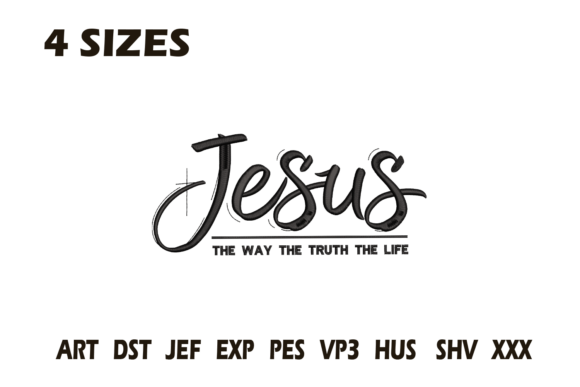
When you first open a new digital embroidery file, the initial visual impact is crucial. The title Jesus the Way the Truth Embroidery immediately signals a piece of religious art that needs to be treated with respect and clarity. Based on the description provided, this design promises to bring creative projects to life with a unique and professional touch. In the world of machine embroidery design, words like "professional" are the highest compliment because they suggest clean lines and thoughtful placement.
My immediate assessment of this design is that it leans towards a modern yet rustic aesthetic. It feels substantial enough to serve as a focal point rather than just a tiny accent. For a craft fair product, visibility is everything. A customer walking past your booth needs to stop and read the text or see the imagery clearly from three feet away. This design appears to have the weight necessary to command attention without being overly cluttered. It strikes a balance between being decorative and deeply meaningful, making it perfect for the Religion category where buyers seek authenticity.
Product Potential: Where This Design Shines
To maximize the sales potential of Jesus the Way the Truth Embroidery, I analyzed how it performs across various common commercial embroidery items. Here is my breakdown of where this design will generate the most interest:
- Tote Bags and Market Bags: This is arguably the strongest application for this design. A large, centered placement on a canvas tote bag allows the design to breathe. Customers love carrying their faith in public, and a tote bag design featuring this message serves as both a practical accessory and a conversation starter.
- Kitchen Towels and Aprons: The kitchen is a sanctuary for many, and tea towel embroidery offers a warm, homey feel. Placing this design on a white or cream flour sack towel creates a beautiful contrast. Similarly, on a denim apron, it adds a touch of grace to daily chores, appealing to the small shop product demographic that values functional decor.
- Caps and Patches: For a more subtle approach, this design works well as an embroidered patch sewn onto a baseball cap. However, care must be taken regarding the size; if the lettering is too small, it may lose readability on the curved surface of a hat.
- Pillow Covers and Home Décor: Soft goods allow for higher stitch density and texture. Using this design on a throw pillow can elevate the perceived value of the item, turning a simple $5 blank pillow into a premium $25 gift item.
The versatility of this design makes it ideal for creating a cohesive collection. You can use the same design assets across different mediums, ensuring brand consistency throughout your booth display.
Selling Points and Production Practicality
From a business perspective, a design must be easy to produce at scale. One of the key strengths of Jesus the Way the Truth Embroidery is its likely clarity. At a craft fair, lighting can be tricky, and shadows can obscure details. If the design is too intricate with tiny stitches, it might look muddy under harsh tent lights. Assuming the file is optimized correctly, the bold nature of the phrase suggests it will photograph beautifully for Etsy listings and social media marketing.
For batch production, the layout should be repeatable. If the design fits standard hoop sizes efficiently, you can minimize thread changes and setup time. This efficiency is critical when you are trying to fulfill orders for an Etsy seller or prepare stock for a weekend market. The design should feel "ready to go," allowing you to focus on finishing touches like trimming threads and quality control rather than fighting with complex digitization errors.
Critical Considerations for Quality Control
While the concept is strong, every embroidery file has technical requirements that must be met before hitting the production line. As a designer, I always advise checking the following points to ensure the final finished product looks its best:
- Stitch Density and Fabric Texture: Check the density of the stitches. If the area is too dense, it may cause puckering on lightweight fabrics like tea towels. Conversely, if it is too sparse, the fabric texture might show through, making the text look uneven. Always test on the actual material you plan to sell.
- Thread Colors and Contrast: The visual impact relies heavily on color choice. On dark fabric, light thread colors will pop, but on light fabric, you need a contrasting shade to ensure the message is legible. Avoid colors that blend too closely with the background.
- Hoop Size and Spacing: Confirm that the hoop size accommodates the full design without cutting off letters. Ensure there is adequate spacing around the text so the edges don't get lost in seams or hems.
- Small Details and Lettering: Be cautious with any fine details within the design. Tiny lettering can become illegible if the machine skips a stitch or if the fabric stretches. If the design includes very small elements, consider using them only on larger items like pillows rather than small pouches.
- Curved Surfaces: If applying this to caps, remember that curved surfaces distort flat designs. You may need to adjust the digitization or choose a slightly smaller version of the design to prevent stretching.
Final Verdict for the Creative Entrepreneur
In conclusion, Jesus the Way the Truth Embroidery has significant potential to become a top-selling item in your repertoire. It hits the sweet spot between spiritual significance and commercial appeal. When displayed on a table alongside other handmade gifts, it stands out due to its clear message and professional finish. It appeals to buyers who want to support artisans while acquiring items that reflect their values.
Before you start mass-producing, take the time to create at least one real mockup. Use scrap fabric to test the stabilizer and check the tension. Compare different fabric colors to see which combination draws the eye most effectively. Once you have verified that the design translates perfectly from screen to fabric, you will have a powerful tool for your printable mockup gallery and your physical booth.
Remember to confirm your commercial licensing terms before selling finished products. With the right preparation, this design can enhance your brand consistency, boost customer engagement, and drive sales for your small shop product line. It is a design that doesn't just decorate; it connects.