Captain Bear Embroidery: A Designer's Review for Craft Fairs
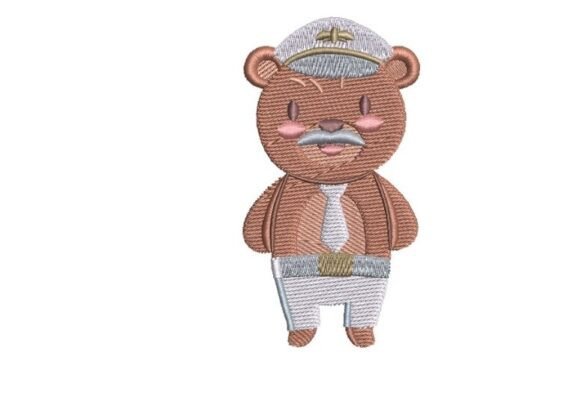
As an experienced embroidery designer who has spent countless weekends setting up booths at local craft fairs and managing a busy handmade shop, I know that the difference between a design that sits on a shelf and one that flies off the table often comes down to visual appeal and production practicality. Today, I am reviewing Captain Bear Embroidery, a charming machine embroidery design featuring a sailor hat and tie. Before I commit this to my inventory for the upcoming season, I need to evaluate its potential as a craft fair product and a staple for handmade product lines.
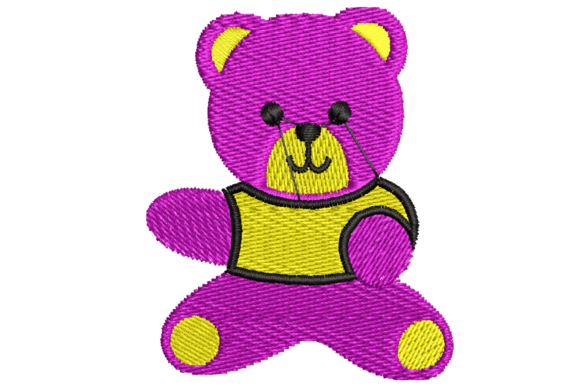
The first impression of Captain Bear Embroidery is undeniably cute and playful. It feels soft, modern, and slightly nautical without being overly rustic or festive in a holiday sense. This versatility is exactly what makes it a strong candidate for digital embroidery file sales and physical goods. When I look at the description mentioning a sailor hat and tie, I immediately visualize a character that appeals to children, parents, and anyone with a love for maritime themes. It strikes a balance between decorative and premium enough to justify a higher price point in a boutique setting.
Where Captain Bear Embroidery Shines on Market Products
In a real-world scenario preparing a table display, I imagine Captain Bear Embroidery standing out on specific items that offer the right canvas for its details. The design is versatile enough to serve as a small accent or a large focal point depending on how you utilize the embroidery file.
- Tote Bag Design: This is where the design truly sings. Placing Captain Bear Embroidery on a sturdy canvas tote bag creates an instant Etsy seller favorite. The nautical theme pairs perfectly with natural cotton or navy blue backgrounds, creating a cohesive look that draws customers in from across the aisle.
- Apron Embroidery: For the home cook or gardener, adding this bear to a linen apron adds a touch of whimsy. It transforms a utilitarian item into a giftable handmade gift that feels personal and unique.
- Tea Towel Embroidery: Kitchen towels are a classic booth staple. The contrast of the bear against a checkered or solid white towel provides excellent visual clarity. It acts as a perfect small shop product that customers can grab quickly while browsing.
- Embroidered Patch: If the design includes a clean edge or is intended to be appliquéd, it works beautifully as a detachable embroidered patch for jackets or denim bags, expanding the utility of the design assets.
- Fabric Pouches and Pillow Covers: Small pouches for makeup or keys allow for a tighter stitch density, making the bear look crisp. On pillow covers, it serves as a charming centerpiece for a nursery or coastal-themed living room.
When photographing these items for online listings or creating a printable mockup for social media, Captain Bear Embroidery offers high engagement. The sailor hat provides a distinct shape that catches the eye even in thumbnail images, which is crucial for driving traffic to your digital storefronts.
Production Practicality and Batch Selling
For any commercial embroidery business, repeatability is key. I need to know if I can produce ten identical tea towels in an hour without frustration. Captain Bear Embroidery appears to have a balanced composition that should translate well to batch production. However, before mass producing, I must consider the technical aspects of the machine embroidery design.
The design needs to be easy to understand at a glance. If the sailor hat features intricate stitching or tiny lettering that might blur on textured fabric, it could lose its charm when viewed from a distance at a busy craft fair. I will need to verify the stitch density to ensure it isn't too heavy, which could cause puckering on lighter fabrics like aprons or thin cotton towels. Conversely, if the stitches are too sparse, the bear may look flat and unprofessional.
Real-World Testing and Technical Notes
Before turning this into a finished product for sale, there are several critical steps I take as a professional designer. First, I always test the design on scrap fabric. This allows me to see how the thread colors interact with the base material. For instance, a dark navy thread might disappear on a black tote bag, whereas a bright yellow tie would pop brilliantly.
I also pay close attention to the hoop size. If the design is large, I need to ensure my hoop can accommodate the full width without cutting off parts of the bear's hat. If the design is meant for a curved surface like a cap, I must confirm that the curvature of the hat and the bear's face align correctly when stitched on a 5x7 or similar curved frame.
Another vital consideration is the stabilizer. Using the wrong backing can ruin the finished product. For items like market bags or thick denim, I would use a cut-away stabilizer to prevent distortion over time. For delicate tea towels, a tear-away might suffice, but I must ensure the fabric texture does not interfere with the needle penetration.
Potential Pitfalls to Watch For
While Captain Bear Embroidery sounds promising, there are areas where caution is required. Dense stitch areas can sometimes trap lint or cause the fabric to stiffen, which might be undesirable for soft apparel like kids' clothing. Tiny details, such as the buttons on the tie or the eyes of the bear, may lose clarity if the design is scaled down too much for small accessories.
Additionally, working with dark fabric requires a specific approach. If the design lacks a dense underlay or sufficient thread coverage, the background color might show through, making the bear look washed out. I would advise checking the embroidery file specifications to see if it includes a jump stitch sequence that minimizes trimming, ensuring a clean look on all sides.
Maximizing Visual Appeal and Brand Consistency
Ultimately, the success of Captain Bear Embroidery at a craft fair depends on how it contributes to your brand story. Does it fit the vibe of your booth? If you sell farmhouse decor, the nautical theme might feel slightly out of place unless paired with other maritime elements. However, if your brand focuses on cute, whimsical, or family-oriented goods, this design is a perfect match.
Customer attention is fleeting at a market. A well-executed Captain Bear Embroidery piece on a high-quality tote bag or apron signals quality craftsmanship. It suggests that the maker cares about detail, which increases the perceived value of the item. Buyers are more likely to engage with a booth that displays consistent, sharp, and colorful designs.
Furthermore, having a variety of products featuring this design—from patches to pillow covers—creates a cohesive collection that encourages multiple purchases. It allows you to offer different price points while maintaining a unified aesthetic. Whether you are selling the digital embroidery file itself or the physical goods, the charm of the bear adds a personality to every item.
Final Thoughts for the Creative Entrepreneur
Before launching Captain Bear Embroidery as a core part of your inventory, remember to confirm commercial licensing terms. Ensure you have the legal right to sell finished products made from this design. Also, create at least one real mockup to share on your social channels; seeing the design in action helps buyers visualize the final result.
If you are an Etsy seller or a boutique maker looking to expand your line, this design offers a delightful opportunity to tap into the nautical and animal-themed markets. By carefully selecting the right fabrics, stabilizers, and thread colors, you can turn a simple bear motif into a standout craft fair product that customers will remember long after the event ends.
With the right execution, Captain Bear Embroidery has the potential to become a bestseller in your shop, bringing joy to families and adding a touch of sailor-style charm to everyday items.